Networked charging is changing how electric-vehicle drivers use public and workplace chargers in China. Instead of operating as isolated units, connected chargers can share status information with a central platform. Drivers may check availability before arriving, start a session through an app, and review energy use afterward. Less waiting. Fewer surprises.
For site operators, connected systems can make daily work more manageable. A dashboard may show which chargers are active, offline, or in need of attention. Remote monitoring can help teams identify faults without visiting every location, while usage records support maintenance and capacity planning. Where several vehicles charge at once, load management can distribute available power and help reduce pressure on a site’s electrical supply. The results depend on good installation and reliable network coverage.
So, what are the benefits of networked charging solutions? The practical gains include clearer charger status, easier service coordination, and a more consistent experience for drivers. In China’s varied charging environments, from busy urban parking areas to commercial fleets, these features can be useful. Still, connectivity alone does not guarantee dependable charging. Software, hardware, payment options, and local support all matter. A weak signal can interrupt a session; poor maintenance can leave a charger unusable. That is the part worth examining. A careful comparison should look beyond smart features and consider uptime, compatibility, security practices, and after-sales service. Networked charging offers real advantages, but the strongest systems prove them in everyday use.
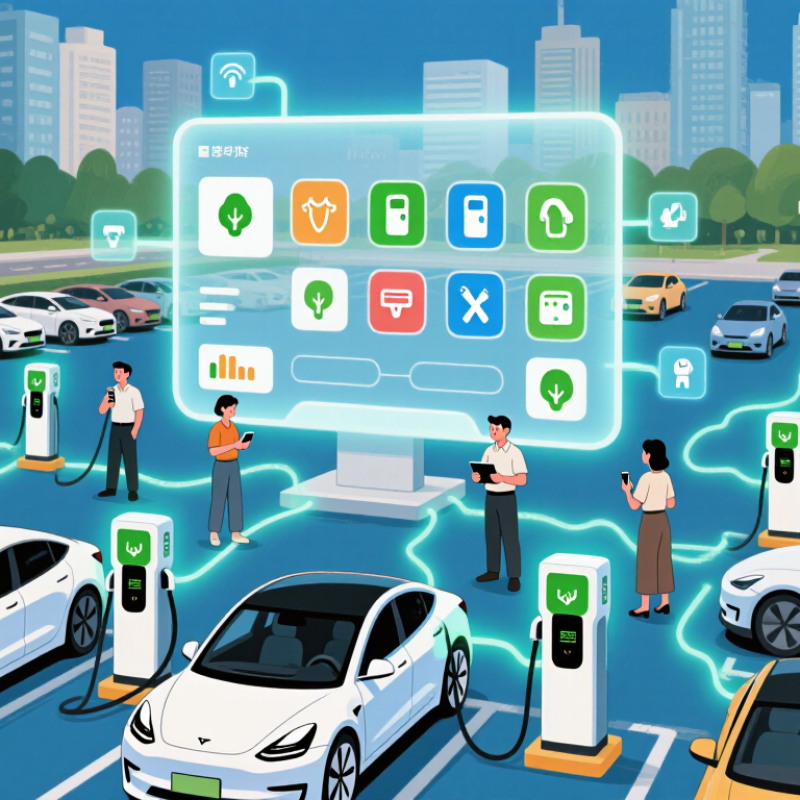
Networked charging links public and private chargers to digital systems that report availability, power, faults, and energy use. Drivers can locate a working connector, check its status, and pay through connected services. Operators can monitor equipment remotely and adjust charging schedules as demand changes. In China, this matters across busy urban garages, roadside stations, and residential compounds, where chargers may serve very different users.
Scale matters. The International Energy Agency’s Global EV Outlook 2024 reports that China accounted for nearly 70% of the world’s publicly accessible charging points in 2023. That figure shows the size of the infrastructure challenge, but not how smoothly every charger connects to every service. A map pin is not a guarantee: data can be delayed, connectors can be occupied, and payment systems may not work seamlessly. Networked management can also help operators track usage and plan maintenance, though it cannot remove local grid constraints. The most useful measure is not just how many chargers exist, but whether drivers can reliably find and use them.
Chargers connect to shared software that reports availability, power, faults, and energy use. Drivers can check station status before arriving. A map pin can still be wrong.
The system can adjust output across connected chargers. At a depot, it might prioritize vehicles leaving early and reduce power to others. Settings need regular checks.
The station records energy delivered and session time, then calculates the fee using the displayed tariff. Drivers may receive a digital receipt. Clear pricing matters.
No. A connector may be occupied, data may be delayed, or a payment service may fail. A dashboard cannot fix every problem.
Charging can be staggered instead of starting at full power all at once. This may reduce demand peaks and ease pressure on local transformers. Results vary.
Operators can shift some charging toward periods with stronger solar generation. Forecasts and clear rules are needed. Drivers still need enough range.
They should review energy use, peak demand, faults, and missed charging needs. Unexpected arrivals can disrupt a neat schedule. The data deserves scrutiny.
Local grid capacity, charger limits, driver habits, and inaccurate readings all matter. Software helps, but it is not magic. Some gaps remain.
Networked charging is an approach to electric vehicle infrastructure in which charging stations connect to a shared digital system. This connection helps coordinate station status, power delivery, and payment processing, giving drivers a clearer view of available chargers and the information they need to plan a session. Remote monitoring and consolidated billing can also make charging simpler and more predictable.
For operators, connected tools can support oversight of multiple stations, help identify maintenance needs, and improve how charging capacity is used. These systems may also help balance demand by adjusting charging activity in response to grid conditions. When coordinated with renewable energy availability, networked charging can make better use of cleaner power and contribute to more efficient energy management. Overall, what are the benefits of networked charging solutions? They include easier access and billing for drivers, more effective station management for operators, and greater potential to support grid efficiency and clean energy.

 Quantum Charge