How to Maximize Benefits of Networked Charging Solutions?

Time:2026-05-28 Author:Isabella
0%

As the global shift towards electric vehicles (EVs) accelerates, the importance of networked charging solutions becomes increasingly clear. According to a recent report by the International Energy Agency (IEA), the number of public charging points must triple by 2030 to meet rising demand. Industry expert Dr. Emily Carter emphasizes, “Networked charging solutions create efficiencies that can streamline energy management and enhance user experience.”

What are the benefits of networked charging solutions? They offer real-time monitoring, data analytics, and improved accessibility. With these tools, EV owners can easily locate charging stations and manage their energy consumption effectively. Additionally, networked systems encourage collaboration among charging providers, leading to an expanded network of charging points. However, some challenges remain, such as the need for standardized technology and user interface across different platforms.

Moreover, while networked solutions promise numerous advantages, achieving widespread adoption requires addressing concerns about reliability and interoperability. Investors and service providers must focus on building trust within the EV community. Ultimately, advancing networked charging solutions not only supports EV growth but also paves the way for a sustainable energy future.
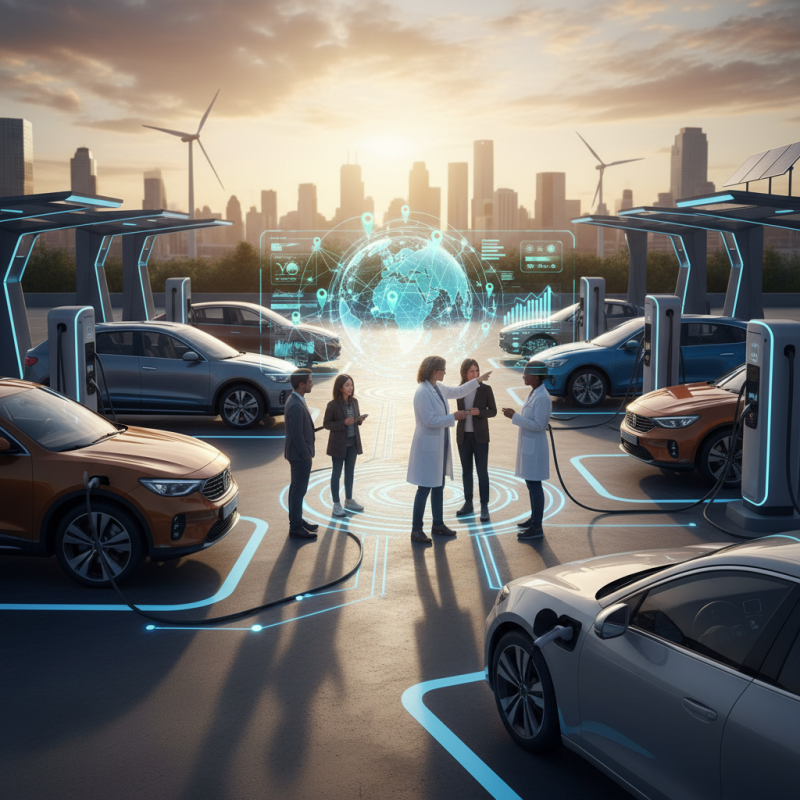
How to Maximize Benefits of Networked Charging Solutions?

Understanding Networked Charging Solutions and Their Benefits

Networked charging solutions represent a significant advancement in EV infrastructure. By interconnecting charging stations, they offer efficient access to power for electric vehicles. Understanding these systems can enhance their utility and benefits. The design allows real-time updates and monitoring, creating smoother user experiences. Imagine a network where EV drivers can find available chargers and reserve them, reducing wait times.

These solutions also promote smarter energy usage. With advanced algorithms, they distribute power intelligently based on demand. For example, during peak hours, the system can reroute energy to the most in-demand stations. However, the reliance on technology can present challenges. Connectivity issues can disrupt service, leading to user frustration. Addressing these potential pitfalls is crucial for continuous improvement.

Furthermore, the integration of data analytics can provide insightful patterns about charging behaviors. This information may assist operators in optimizing station placements. Still, not all data is perfect or easy to interpret. Overreliance on analytics might overlook real-world variability. Therefore, leveraging both technology and human oversight is essential in maximizing the benefits of networked charging systems.

Identifying Key Stakeholders for Networked Charging Systems

Identifying key stakeholders for networked charging systems is crucial for maximizing their benefits. Stakeholders include local governments, utility companies, and users. Each group plays a unique role in the success of networked charging solutions. Understanding these roles can enhance collaboration and efficiency.

Utility companies often oversee the infrastructure required for charging stations. They can provide insights into energy demands and grid integration. Local governments can facilitate site selection and community support. Engaging users ensures that systems reflect their needs. Feedback from users can highlight areas for improvement and innovation.

Tips: Create forums for stakeholder discussions. Regular feedback loops can address issues as they arise. Consider forming partnerships that strengthen the networked charging ecosystem. Engaging diverse voices ensures a well-rounded approach. Assessing stakeholder needs may lead to unexpected discoveries. Sometimes, the most overlooked demands can drive significant advancements.

Maximizing Benefits of Networked Charging Solutions

Strategies for Integrating Networked Charging into Existing Infrastructure

Integrating networked charging solutions into existing infrastructure can be a complex task. To begin, assess current electrical setups. Identify locations where charging stations would be most beneficial. This might include parking lots and public areas. A detailed site analysis is essential. Understand the energy demands of potential chargers.

Training staff is another crucial aspect. Operators must understand how to manage these systems. Regular workshops can help keep them updated. Collaboration with local utilities can enhance grid stability. Engage with community stakeholders to gather input. Their support could improve customer usage and awareness.

Moreover, consider scalability. Your initial installation should allow for future growth. This requires foresight in design and planning. A flexible framework helps to adapt to changing technology and user needs. It’s essential to reflect on lessons learned. Continuous feedback can drive improvements. This process is ongoing, highlighting the need for adaptability in today’s dynamic landscape.

Best Practices for Optimizing User Experience with Networked Charging

Optimizing user experience with networked charging solutions requires a deep understanding of user needs. Many users seek convenience and efficiency. Providing clear instructions on how to connect and use charging stations can greatly enhance their experience. Basic tips like checking for real-time availability can save time. Keeping interfaces user-friendly ensures that all skill levels can interact with them easily.

Another key aspect is connectivity. Users appreciate a seamless experience when switching between charging stations. However, connectivity issues can frustrate users. Regular updates and maintenance on networked systems can address these shortcomings. Furthermore, user feedback should be actively sought and utilized. Many systems fail to adapt because they ignore the voices of their users.

Flexibility in payment options can also improve user satisfaction. Not everyone prefers the same payment method. By offering multiple choices, users feel valued and catered to. It's crucial to stay aware of emerging concerns, such as data privacy. Transparent communication about how user data is handled can build trust. Emphasizing these practices fosters a more reliable and enjoyable networked charging environment.

Evaluating the Impact of Networked Charging on Energy Efficiency and Costs

The emergence of networked charging solutions has transformed the electric vehicle (EV) landscape. Evaluating their impact on energy efficiency and costs is crucial. Studies suggest that integrating networked systems can lead to energy savings of up to 30%. This reduction arises from their ability to optimize charging times based on demand and energy prices.

One key consideration is the initial investment. While infrastructure costs can be high, operational savings can offset these. According to recent data from industry reports, an average fleet operator experiences a 20% decrease in electricity costs after adopting networked solutions. However, not all installations yield immediate benefits. Local grid conditions and charger placements can affect overall performance.

Moreover, there are challenges in implementation. Not all users are aware of optimal charging practices. This knowledge gap can hinder efficiency. Training and education can play a pivotal role in maximizing benefits. The focus should be not only on technology but also on user engagement. Addressing these concerns can ensure that the potential of networked charging is fully realized.

FAQS

: Who are the key stakeholders for networked charging systems?

: Key stakeholders include local governments, utility companies, and users. Each has a unique role.

How do utility companies contribute to networked charging systems?

Utility companies oversee infrastructure and provide insights into energy demands and grid integration.

Why is engaging users important for networked charging solutions?

Engaging users ensures systems meet their needs. Their feedback highlights areas for improvement.

What can be done to optimize user experience with charging stations?

Providing clear instructions and checking real-time availability can greatly enhance the user experience.

How can connectivity issues impact users of charging stations?

Connectivity issues can lead to frustration. Regular updates can help minimize these problems.

Why is flexibility in payment options important for users?

Users have different preferences. Multiple payment choices make them feel valued and catered to.

What role does communication play in user satisfaction?

Transparent communication about data usage builds trust. It can enhance reliability in charging services.

How can stakeholder discussions improve networked charging systems?

Creating forums for discussions can address issues. It encourages collaboration among stakeholders.

What should be done if user feedback is ignored?

Systems may fail to adapt. Regularly seeking user input is essential for continuous improvement.

How might overlooked demands lead to advancements?

Assessing stakeholder needs can reveal unexpected insights. Innovations may arise from addressing these overlooked areas.

Conclusion

Networked charging solutions have become increasingly important in the context of electric vehicle (EV) infrastructure. These systems not only facilitate efficient charging but also enhance energy management and user convenience. Understanding what are the benefits of networked charging solutions involves recognizing their ability to streamline operations, reduce downtime, and improve the overall user experience. Stakeholders, including local governments, utility companies, and EV manufacturers, play a crucial role in the development and implementation of these systems.

To maximize the advantages of networked charging, it is essential to develop strategies that integrate these systems with existing infrastructure while prioritizing user experience. Best practices include providing clear information, ensuring accessibility, and utilizing data analytics for optimal performance. Furthermore, evaluating the impact of networked charging on energy efficiency and costs can lead to significant savings and sustainability benefits, making them an attractive option for future transportation initiatives.

Isabella

Isabella

Isabella is a dedicated marketing professional with a sharp focus on driving brand growth and engagement through strategic content creation. With an extensive background in digital marketing, she combines her passion for storytelling with her keen understanding of industry trends to deliver......