Engineered to withstand rigorous duty cycles and optimize charging operational efficiency for logistics, commercial fleets, and industrial ecosystems.
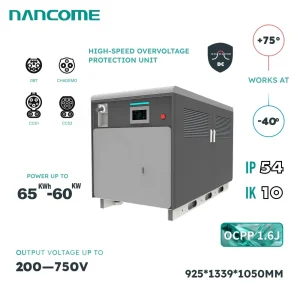
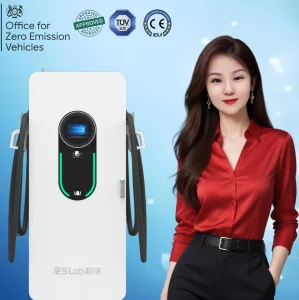
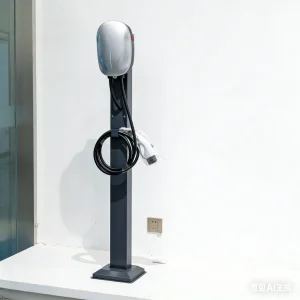
Shenzhen Quantum Charge Co., Ltd. is a leading professional manufacturer specializing in high-power DC fast charging systems and microgrid-integrated energy storage systems. Driven by technological innovation, we deliver scalable infrastructure solutions engineered for the transition of large-scale fleets to commercial electric mobility.
Our company offers a comprehensive portfolio designed to optimize total cost of ownership (TCO) for enterprise fleet operators. From advanced ultra-fast charging units and networked smart fleet stations to specialized containerized HVAC and refrigerant detection units, our production meets the most stringent industrial quality benchmarks.
By integrating advanced IoT connectivity with OCPP-compatible network software, our chargers enable real-time load management, power-sharing, and grid coordination. This mitigates peak demand charges while ensuring fleet dispatch schedules are executed without disruption.
We operate fully certified production pipelines, delivering hardware built to operate flawlessly under extreme climatic loads. For logistics companies, municipal transport systems, and large vehicle depot systems, Shenzhen Quantum Charge is a trusted hardware and systems integration partner.
Deploying tailored charge schemes for varying commercial scenarios to achieve peak asset utilization and seamless logistics operations.
Overnight fleet vehicle turnaround requires intelligent sequential charging. Our 240kW to 400kW charging stations balance overnight electricity grids by communicating with TMS (Transportation Management Systems) for maximum vehicle deployment readiness.
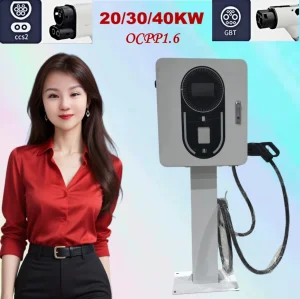
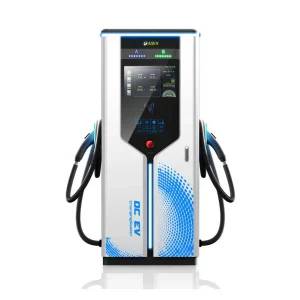
High-power modular DC dispensers operating between key shipping nodes. Equipped with dynamic liquid-cooled cables and power sharing modules, these units deliver rapid range extensions to keep transit trucks on schedule.
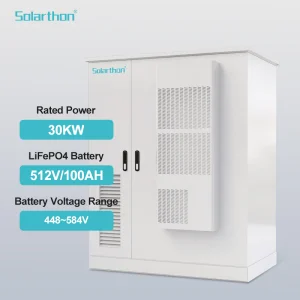
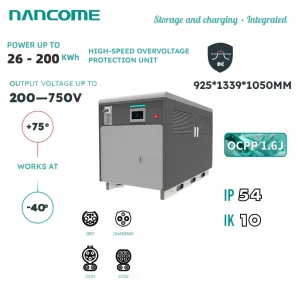
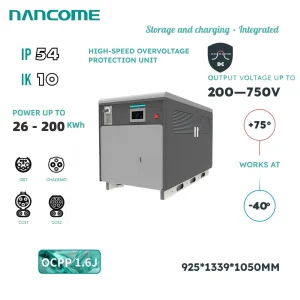
Integrating stationary battery storage systems (26kWh and 75kWh) directly with solar inputs allows sites to offload heavy currents from municipal substations, reducing capital expenditure on grid connection upgrades.
Investing in technologies that will define fleet operation standards for the next decade.
The transition from simple power distribution to multi-megawatt intelligent power dispatch is shaping modern grid design. Our R&D is focused on scaling high-density power electronic conversion systems to meet future megawatt requirements.
1. Megawatt Charging System (MCS): Designed specifically for class 8 heavy-duty vehicles, our next-generation architecture will support up to 3.75 MW of power delivery, dropping charging times below 30 minutes.
2. Bidirectional V2G Integration: Unlocking new revenue streams for fleet operations. By using ISO 15118 compliance, fleet networks can act as Virtual Power Plants (VPPs), feeding power back into local utilities during peak demand events.
3. Advanced Solid-State Cooling: Liquid-cooled cables enable thinner, lighter profiles, reducing physical strain on operators while ensuring uninterrupted delivery of up to 600A continuous current.
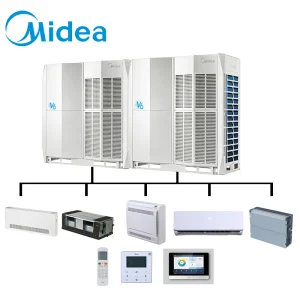
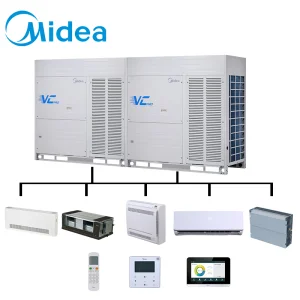
Our integration of industrial Midea VRF/VRV cooling units inside high-power DC charging cabinets ensures constant operating temperatures inside control circuits. This proactive thermal control reduces degradation of silicon control components, increasing operational life by up to 40%.
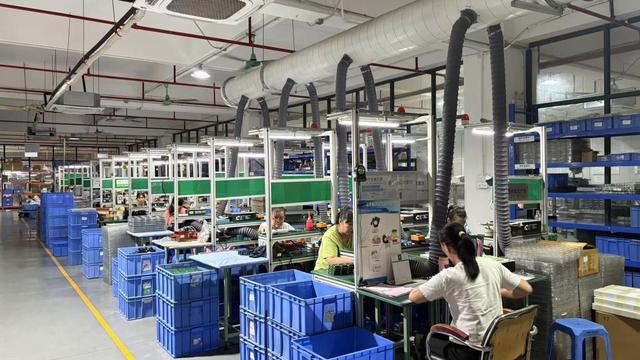
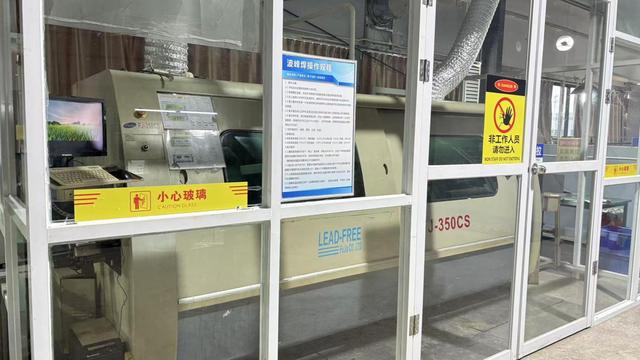
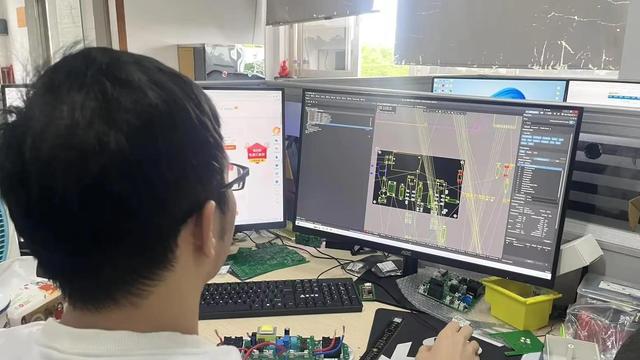
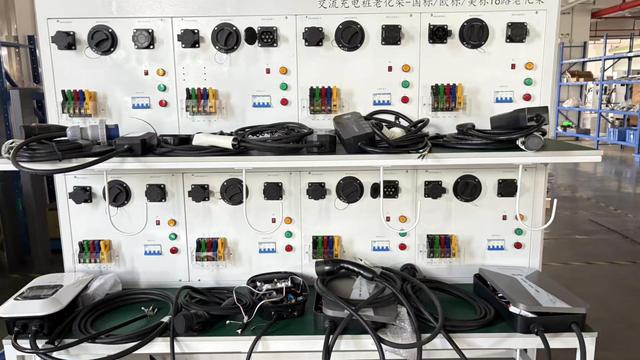
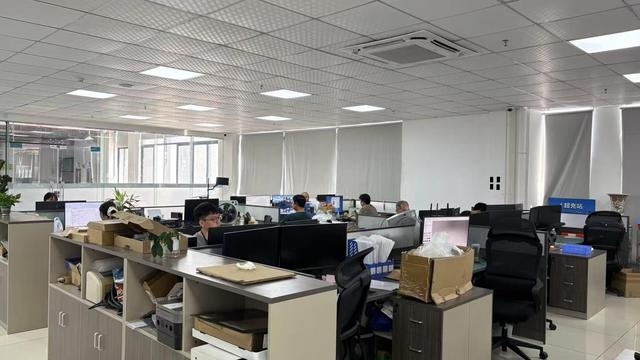
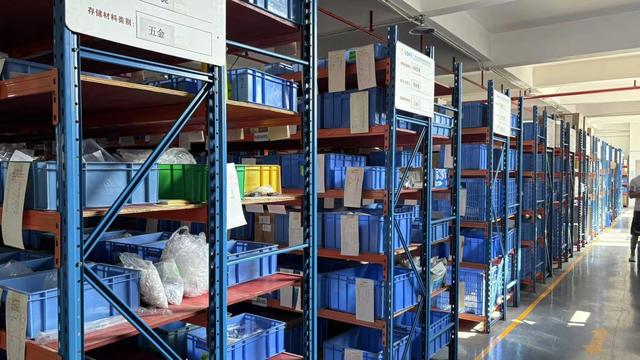
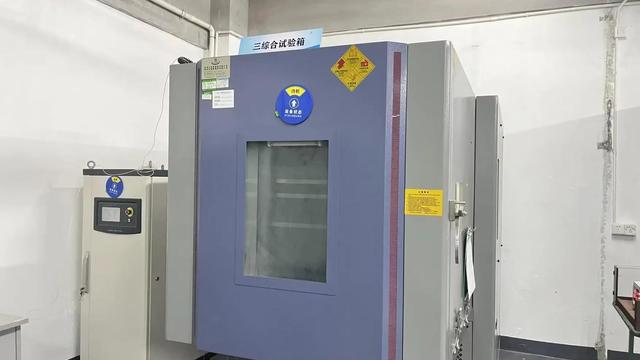
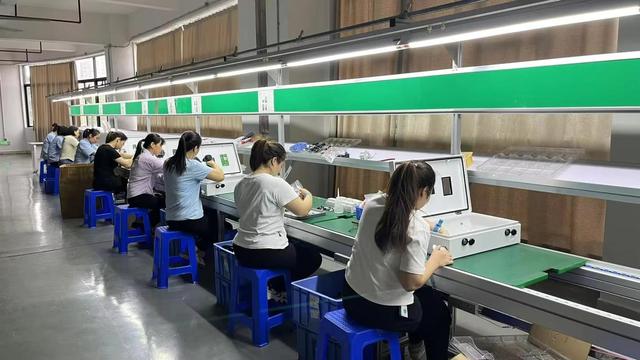
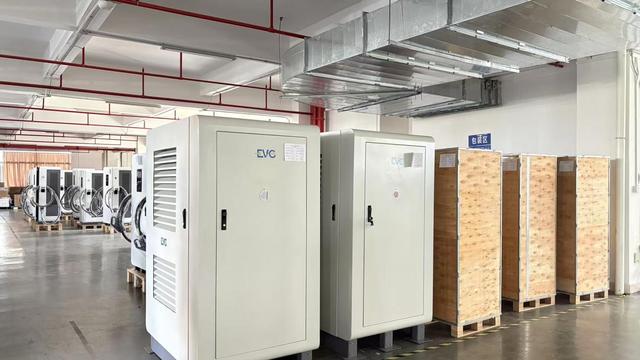
Inside our production facilities: advanced metal processing, automated PCB assembly, and multi-tier quality inspection systems.
Our state-of-the-art Shenzhen factory operates on an Industry 4.0 automated manufacturing model. Every aspect of production, from sheet metal laser fabrication to automated potting and insulation testing of charging modules, is managed via a centralized ERP system.
By keeping structural component production in-house—utilizing CNC laser cutting and precise metal forming—we maintain complete control over the physical protection rating (IP55/IP65) and structural integrity of our steel and aluminum cabinets.
Every charger undergoes extensive load testing, high-voltage breakdown analysis, and thermal stress tests in our environmental chambers. This guarantees performance under extreme weather conditions, from sub-zero northern winters to high-humidity equatorial climates.
Our direct access to world-class silicon carbide (SiC) semiconductors, magnetic components, and raw copper within the Pearl River Delta industrial cluster allows us to secure components ahead of market surges, providing stable pricing and delivery dates.

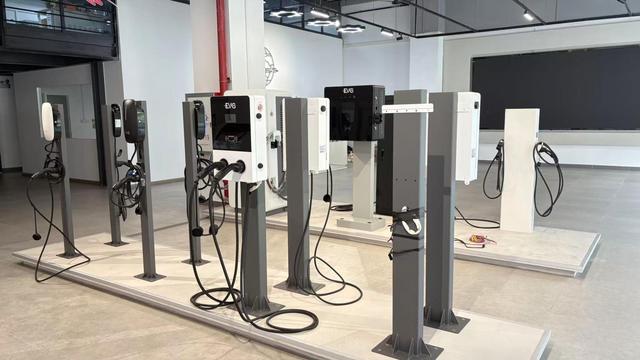
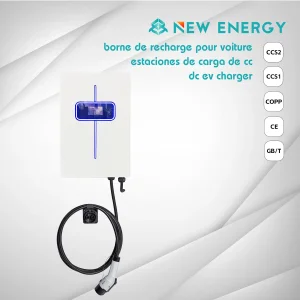
Ensuring compliance with localized safety and communication standards across diverse territories.
Open communication standards ensure that our hardware integrates with third-party software management systems, allowing operators to change backend management providers without replacing hardware.
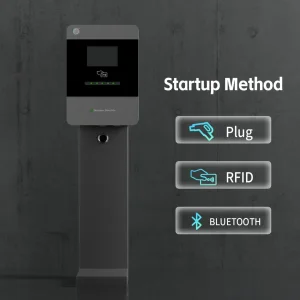
Eliminating manual RFID authentication by using secure TLS-encrypted certificate exchanges directly through the charging cable. Simplifies vehicle validation and automates billing.
Certified by major global test laboratories to meet electromagnetic compatibility, insulation protection, and structural safety standards, facilitating localized grid connections.
Key parameters for professional buyers, fleet managers, and infrastructure developers.
Procuring enterprise-grade EV charging infrastructure requires assessing technical specifications and manufacturing capabilities. To support your request for proposal (RFP) process, we recommend focusing on these core performance parameters:
Dynamic Power Allocation: Ensure the charging station supports load distribution across multiple outputs. This prevents grid overload and optimizes power delivery based on real-time vehicle battery state-of-charge (SoC).
Active Thermal Management: The lifetime of charging modules depends on effective heat dissipation. Insist on modular design with independent airflow configurations or centralized HVAC integrations to prevent hot spots.
Physical Construction: Enclosures must be rated to at least IP54/NEMA 3R for outdoor durability, with certified anti-corrosion treatments (C4/C5 marine grade) to withstand seaside or heavy industrial sites.
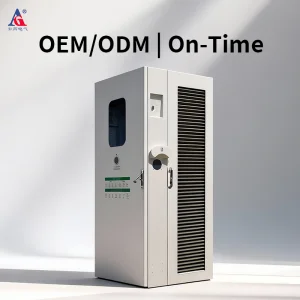
We provide full customization of hardware enclosures, branding, component branding (e.g., choice of contactors/breakers), and customized firmware profiles to match unique regional utility grid requirements.
Expert insights on installation, software compatibility, power distribution, and manufacturing options.
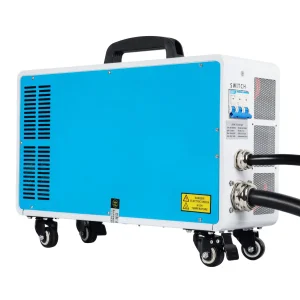
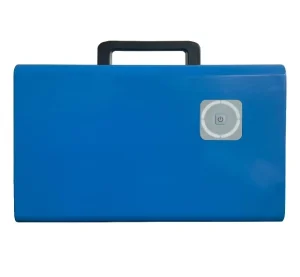
Extend fleet charging options beyond static depot grids with mobile systems and decentralized units.
 Quantum Charge