Pioneering hardware solutions tailored for enterprise workplaces, industrial facilities, and heavy-duty logistics centers.


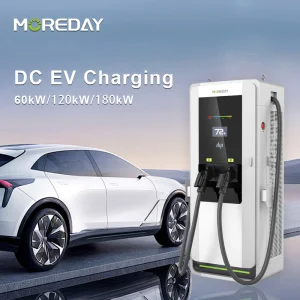
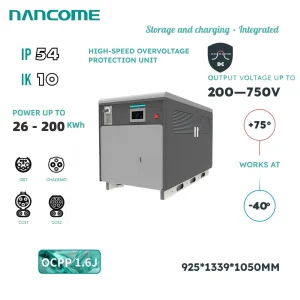
Why Industrial Operators and Factory Facilities Must Implement Structured Charging Initiatives
As the global paradigm shifts towards carbon neutrality, corporate facilities, production complexes, and supplier yards are facing unprecedented pressure to decarbonize. Implementing an optimized Workplace Charging Initiative is no longer just an environmental amenity for office employees; it is a critical infrastructure roadmap designed to secure logistics resilience, minimize grid-demand penalties, and fulfill Scope 3 carbon compliance reporting requirements.
Industrial locations, processing plants, and tier-one supplier sites exhibit unique energy consumption patterns. High base loads, peak demand charges, and large shifts of workforce vehicles require highly optimized charging systems. Without proper engineering planning, adding electric vehicles (EVs) to a facility can trigger major utility grid upgrade costs. This whitepaper analyzes the top ten workplace charging strategies that factories and suppliers are executing globally to turn electrification into a competitive business advantage.
Strategic frameworks implemented by world-class factories and manufacturing suppliers.
Preventing expensive factory grid upgrades by dynamically shifting power delivery between manufacturing lines and EV chargers based on real-time sub-metering.
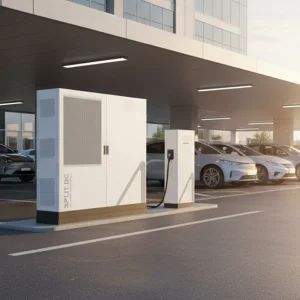
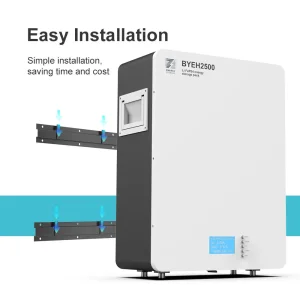
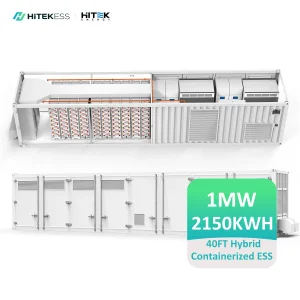
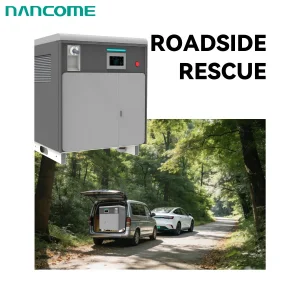
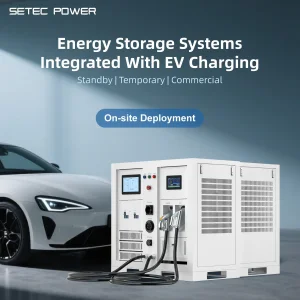
Deploying containerized energy storage units (like 40FT Ess Containers) to capture cheap off-peak power and release it during high-load shifts or fast charging requests.
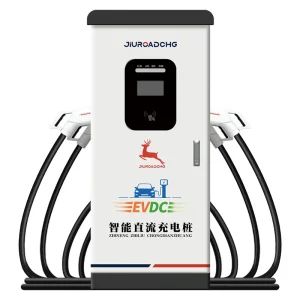
Utilizing high-power, liquid-cooled dispensers (up to 1.2MW) to support heavy-duty commercial haulers, logistics fleets, and delivery transit systems within short turnaround windows.
Leveraging vast factory rooftops and employee parking lots to generate zero-cost, localized green electricity, directly offsetting daytime corporate energy consumption.
Standardizing operations on Open Charge Point Protocol (OCPP 1.6J/2.0.1) for hardware-software compatibility, ensuring easy management of multiple charging networks.
Integrating charging management platforms with fleet routing software to schedule overnight or mid-day depot charges, ensuring high commercial fleet availability.
Implementing corporate-customized billing pathways that segment charging fees for employees, fleet drivers, and visitors, generating new facility revenue.
Enabling Vehicle-to-Grid (V2G) and Vehicle-to-Building (V2B) configurations, transforming parked staff and logistics EVs into a dynamic emergency backup battery reserve.
Building with modular expansion frameworks that allow factories to scale up power capacity step-by-step as charging demands grow, protecting their initial capital investments.
Tailoring electrification systems to the real-world operational challenges of specific regions.
At container terminals and dry port logistics hubs, long idle times are not an option. Implementing a 1.2MW liquid-cooled system allows heavy-duty Class-8 electric trucks to regain up to 80% range during a 20-minute driver rest shift. This approach relies on high-power thermal management to keep system wear minimal during continuous operations.
By using localized power storage containers (such as the 40FT 3MWh ESS), terminal operators can store energy when rates are low and deliver extreme high-current charging without pulling directly from the regional grid, avoiding costly grid upgrade fees.
Suburban factories often face grid stability issues and experience voltage drops when running heavy machinery. Under these conditions, workplace charging programs must use dynamic smart energy management systems.
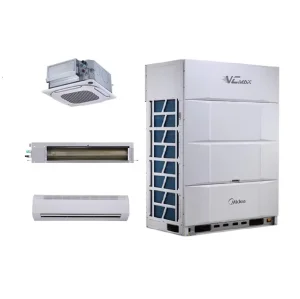
By combining high-efficiency split DC inverter air conditioners with smart, networked 320kW charging systems, suburban factories can balance HVAC thermal needs with electric vehicle charging requirements. This protects production-line equipment from power disruptions and helps factories meet local utility regulatory compliance limits.
Regulatory pathways, compliance standards, and market updates across North America, Europe, and Asia.
The transition to fleet electrification is driven by different regulatory policies, grid capabilities, and regional infrastructure needs across key global markets:
Under the National Electric Vehicle Infrastructure (NEVI) program, US companies are building out high-power corridor networks using NACS and CCS1 systems. The priority is grid flexibility, and operators are using local energy storage systems (ESS) to balance demand and secure tax incentives.
Europe's Alternative Fuels Infrastructure Regulation (AFIR) requires charger deployments along major shipping highways. Key requirements include strict open payment compliance and open-access networks managed through OCPP 2.0.1 integrations.
Faced with high urban density and large manufacturing hubs, the APAC region focuses on massive scale and speed. Operators are deploying 240kW to 360kW integrated DC fast-charging terminals and high-density liquid-cooled systems to support both employee vehicles and light commercial delivery fleets.
Why sourcing key charging infrastructure from integrated ecosystems yields unmatched reliability and cost benefits.
China's electric vehicle charging infrastructure manufacturing sector is built on a highly integrated supply chain. From refining basic materials and producing lithium batteries to developing advanced liquid-cooled cables and smart control chips, every key component is sourced within regional industrial clusters. This concentration minimizes shipping delays and reduces production costs.
For overseas B2B buyers and commercial operators, this integrated ecosystem offers several key advantages:
By sourcing from factory partners that manage the full design-to-assembly lifecycle, commercial buyers reduce their project risk. These systems integrate power electronics, sub-metering, and communication modules into single units, preventing compatibility issues at site startup.
Focusing on advanced R&D and field testing, we provide reliable, high-power DC charging hardware designed to keep global commercial fleets moving.
A leading global provider of high-power DC charging technology and integrated commercial energy systems.
Shenzhen Quantum Charge Co., Ltd. is a professional manufacturer specializing in DC fast EV charging solutions, delivering smart and high-power charging systems for the rapidly evolving electric mobility industry. With a strong commitment to innovation, efficiency, and sustainability, the company provides reliable charging infrastructure for commercial, public, and fleet applications worldwide.
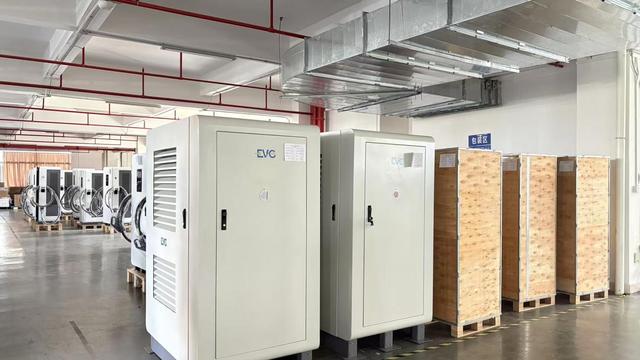
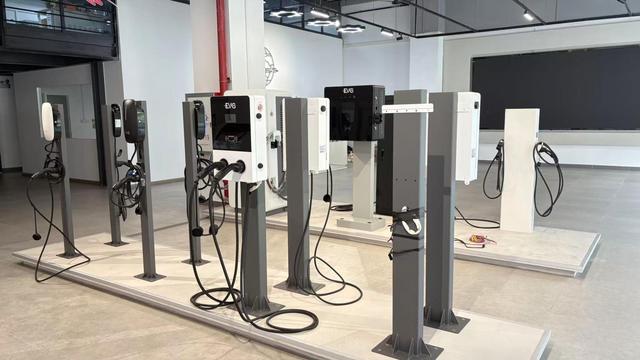
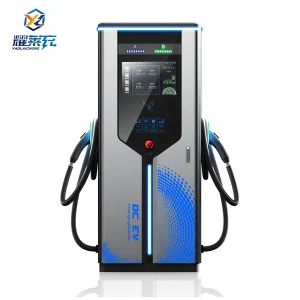
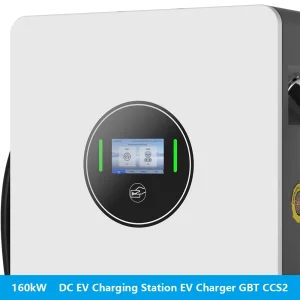
Quantum Charge offers a comprehensive portfolio of products, including high-power DC fast chargers, ultra-fast charging stations, integrated charging cabinets, and networked smart charging systems. Designed to support a wide range of electric vehicles, its solutions ensure fast charging speeds, stable performance, and seamless user experience across various operating environments.
Driven by advanced R&D capabilities, the company integrates cutting-edge technologies such as intelligent energy management, IoT connectivity, and OCPP-compatible platforms. These features enable remote monitoring, data analysis, and efficient operation management, helping customers optimize energy usage and reduce operational costs.
Shenzhen Quantum Charge adheres to strict quality control standards and complies with international certifications to ensure safety, durability, and long-term reliability. The company also offers flexible OEM/ODM services to meet diverse global market requirements.
With a growing global footprint, Quantum Charge continues to empower the transition to clean energy by providing scalable, efficient, and future-ready EV charging solutions for modern transportation infrastructure.
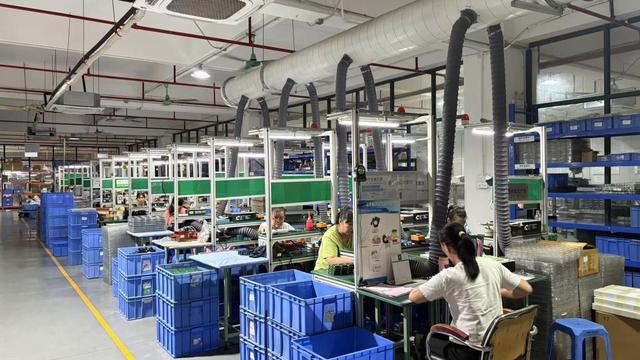


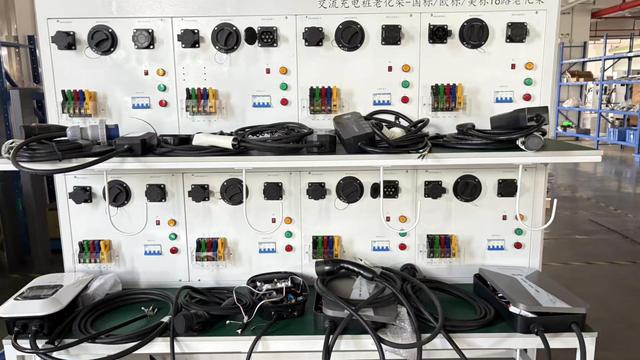




The next 5 to 10 years of commercial charging innovation.
Over the next decade, vehicles will transition from power consumers to active energy assets. Through bidirectional charging (V2G), factories can use electric delivery truck fleets as backup battery capacity. When demand peaks on the local grid, these connected vehicle fleets can feed power back to the factory, protecting production lines and reducing overall utility bills.
For shipping, trucking, and mining, standard fast chargers are not powerful enough. The emerging Megawatt Charging System standard allows vehicles to pull up to 1.2MW and above. Supported by liquid-cooled cables and advanced thermal controls, this system cuts charging times for large trucks down to under 20 minutes, bringing charge times in line with traditional fueling.
Ensuring hardware reliability, operator safety, and grid compatibility across key industrial regions.
Building out workplace EV charging infrastructure requires meeting strict local regulations and electrical codes. Working with an experienced industrial supplier helps companies navigate these compliance steps smoothly:
High-voltage hardware must meet standards like UL 2202, CE, and TUV SUD. Stations must include built-in protection against ground faults, surges, and high temperatures, along with automatic power shutoffs to protect workers and equipment.
To support public access or simple employee billing, chargers should feature OCPP 1.6J/2.0.1 and ISO 15118 compliance. This enables secure automatic payments, Plug & Charge authentication, and real-time remote monitoring.
Connecting high-power chargers to a factory's grid requires coordination with the local utility. Using dynamic load balancing helps facilities stay within their allowed peak power limits and avoid expensive grid connection fees.
Expert answers to common questions about installing and running commercial charging stations.
High-performance charging stations, fleet management tools, and integrated storage solutions for global buyers.


 Quantum Charge